01 / ABOUT THE PLACE
About this place
Each dish offers a taste of the season, and the tableware is chosen to complement the food. At Godan Miyazawa, the kaiseki experience unfolds through both the meal and its presentation. Diners have remarked on the seasonal cooking and restrained seasoning that lets the ingredients speak for themselves.
One account of a lunch describes a progression from an opening appetiser reminiscent of rice risotto to a milt soup with deep-fried tofu, sashimi of Akashi sea bream and vinegar-cured mackerel served with wild greens. The soba came with karasumi, or cured mullet roe. Carrot sesame tofu and grilled kué followed, along with a bear-meat stew; the meal ended with rice cooked in a traditional cooking pot, fruit and Japanese sweets. This is one diner’s menu, but it gives a sense of the individual dishes and the way the course is put together.
Other listed dishes include rice cooked in an earthen pot, soba with karasumi, grilled sesame tofu, white miso soup and grilled amadai. The menu changes with the season and ingredient availability, so it is better to look forward to how the day’s ingredients shape the meal than to count on a particular dish.
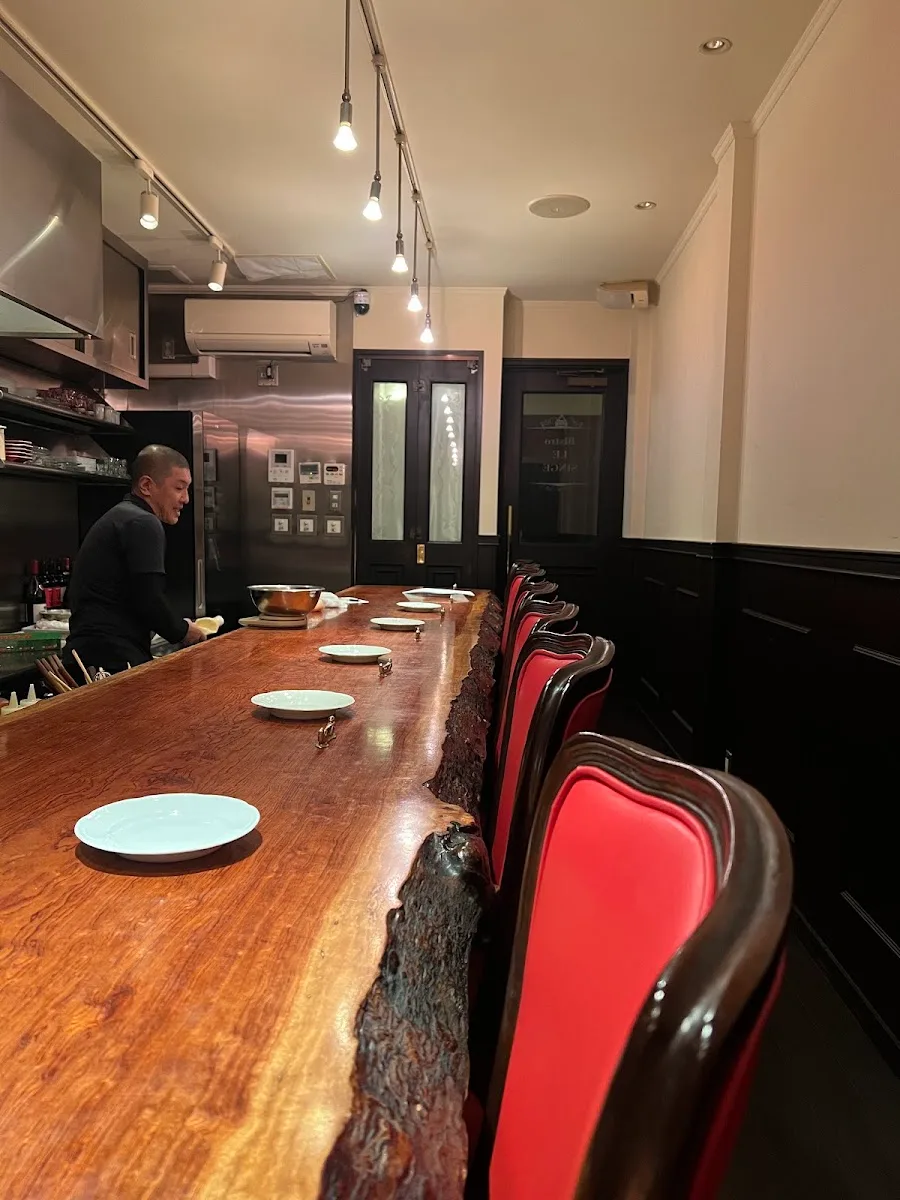
Some diners also mention the tableware, from pieces by contemporary artists to older ceramics. One account notes the care taken with small details, such as the chopstick rests and the coasters chosen to suit the glasses. Taking in the presentation becomes part of the meal. Diners have described sitting at the counter and watching the cooking nearby; private rooms are also available. The seating can suit a solo diner or small party focused on the food, as well as families and groups.
Drinks include sake, beer, wine and umeshu (plum liqueur). Umeshu can be served on the rocks or with soda, while shochu is offered straight, on the rocks or with soda. Reservations are recommended for both lunch and dinner. If you are planning to take your time over a seasonal menu, it is worth securing a table in advance.